Cold-Water Coral Reefs Around the UK: Where to See Them and Why They Matter
Say "coral reef" and most people picture warm, bright water, parrotfish and sunburn. Britain's reefs are nothing like that. In cold, dark water off the west of Scotland, corals have been building reefs for thousands of years, and a few of them sit within reach of a boat, a torch and a curious diver. You will not spot them from a beach. You can still do plenty to keep them alive.
What makes a cold-water coral reef?
Tropical corals get much of their energy from algae living inside their tissue, and those algae need light. Cold-water corals do not. At 200 metres down there is no sunlight to work with, so they feed instead, catching plankton and organic particles as currents sweep past. That is why they cluster on seamounts, banks, ridges and the slopes of sea lochs where water accelerates and food keeps arriving.
The water they live in is typically somewhere between about 4°C and 12°C, and they turn up from roughly 50 metres down to well over a kilometre. They grow slowly, adding just millimetres a year. A reef patch the size of a tennis court may be older than any building in Britain, and the mounds beneath them can be thousands of years in the making. Slow growth is the whole problem: damage that takes seconds to cause can take centuries to undo.
The builders and their neighbours
The main architect in the north-east Atlantic is Lophelia pertusa, reclassified in recent years as Desmophyllum pertusum, though most divers and biologists still call it Lophelia out of habit. Madrepora oculata often grows alongside it. Between the living branches lies a tangle of dead coral skeleton, and that framework is what makes a reef rather than a scattering of individuals.
The residents are extraordinary. Squat lobsters, brittlestars, sea spiders and feather stars pick over the structure, while brisingid starfish perch on the tips with their arms held into the current. Fish such as redfish, ling and tusk use the cover, and the reefs act as nursery habitat for other species. Gorgonian sea fans, black corals and sea pens add further layers. On an otherwise flat, muddy seabed, a coral reef is an island.
Where to find them around the UK
Most UK cold-water coral lies far offshore, in deep, current-swept water. A few highlights:
- Mingulay Reef Complex, in the Sea of the Hebrides. The best-studied example in Scottish waters, sitting on a ridge in roughly 100 to 150 metres and protected within a marine protected area.
- Darwin Mounds, around a kilometre down, north-west of Cape Wrath. Discovered in 1998 and closed to bottom trawling in the early 2000s, it was the UK's first offshore marine protected area.
- Rockall Bank, Hatton Bank and the Wyville Thomson Ridge, west and north-west of Scotland, where coral-topped carbonate mounds have built up over millennia.
- Rosemary Bank and Anton Dohrn Seamount, remote features in the Rockall Trough that few boats ever visit.
- Scottish sea lochs, where Lophelia has been recorded in comparatively shallow water on the west coast. These patches are small, patchy and easily damaged.
- The south-west, where pink sea fans and dead man's fingers grow on reefs off Lundy, Skomer and in Lyme Bay. These are temperate corals rather than true cold-water coral reefs, and they are the ones most of us can actually get to.
Why they matter
Reefs are biodiversity hotspots in a deep-sea landscape that is mostly mud and sand. They feed and shelter fish, including species we eat. They also record the past: coral skeletons and the sediment in the mounds beneath them preserve chemical clues about past ocean temperatures and currents, which is part of why scientists keep returning to the same sites.
They matter for what they support and for what they warn us about. Bottom trawling can flatten centuries of growth in a single pass, and the recovery is not a matter of seasons. Warming water and changing ocean chemistry add pressure that no amount of good diving etiquette can offset. Protecting the sites we have, and letting them be, is the practical response.
How to see cold-water corals for yourself
Be realistic: almost all of the true reefs are far beyond sport diving depth. That does not mean you cannot get close to the story.
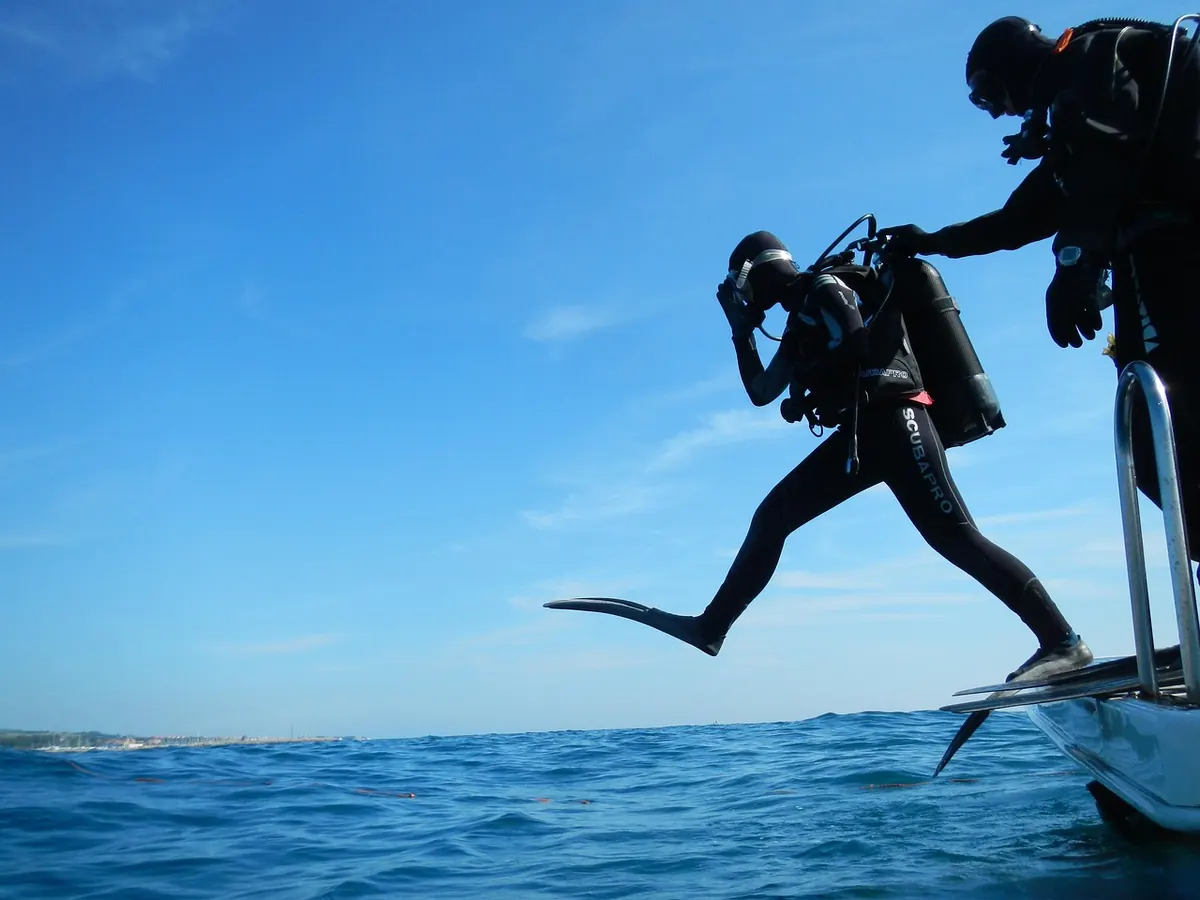
- Dive the temperate reefs. Pink sea fans grow in 15 to 25 metres in the south-west, well within recreational limits. Charter boats run from harbours around Lundy, Pembrokeshire and Lyme Bay.
- Try a snorkel on a calm day. At a few south-western sites, fans and soft corals sit shallow enough for confident snorkellers. Check tides with a local operator first.
- Join a Seasearch survey. Volunteer divers record what they see and the records feed into conservation work. Training is available for newcomers.
- Walk the Hebridean strandline. Bleached fragments of Lophelia do occasionally wash up on west-coast beaches. Look, photograph, leave them where they lie.
- Watch the footage. Research vessels, marine stations and some aquariums show cold-water habitats on screen or in tank displays. Ask what is local.
- Get out over a reef. Wildlife trips from Oban, Mallaig and Tobermory cross coral ground, even though the reef stays hidden. Skippers often know more about the seabed than you would expect, so ask.
Visiting with care
- Sort out your buoyancy before you go anywhere near a reef. One careless fin kick can snap decades of growth.
- Do not touch, kneel on or collect coral. Dead-looking branches are often the living framework of the reef.
- Some marine species and sites carry legal protection. If you are unsure what local rules allow, ask your skipper, your dive club or the relevant conservation body before you get in the water.
- Anchor in sand or use a mooring buoy. Anchors and chain scour everything they drag across.
- Keep torch and camera light brief, and never move or herd marine life for a photograph.
- Report what you see, whether it is a healthy sea fan bed or damage. Records from divers and beach walkers genuinely help.
- Choose seafood from well-managed sources and back marine protected areas when they come up for consultation.
Plan a reef-friendly trip
Pick a charter that briefs divers on reef etiquette before the boat leaves the harbour. Pack a torch for peering under ledges without disturbing anything, check the tide and weather forecast the day before, and take a dry bag for the notebook or phone you will use to log sightings. If you are diving in Scotland, book with an operator who knows the local sea lochs and their restrictions rather than assuming a site is open.
Then keep one thing in mind. The reefs off Britain are not a backdrop for a holiday photograph. They are slow, old, quiet structures doing real work, and the best thing most of us can do is look without leaving a mark.
Photo: Diana ✨ / Pexels