Liveaboard vs Day Boat for Reef Diving: Which Is Right for You?
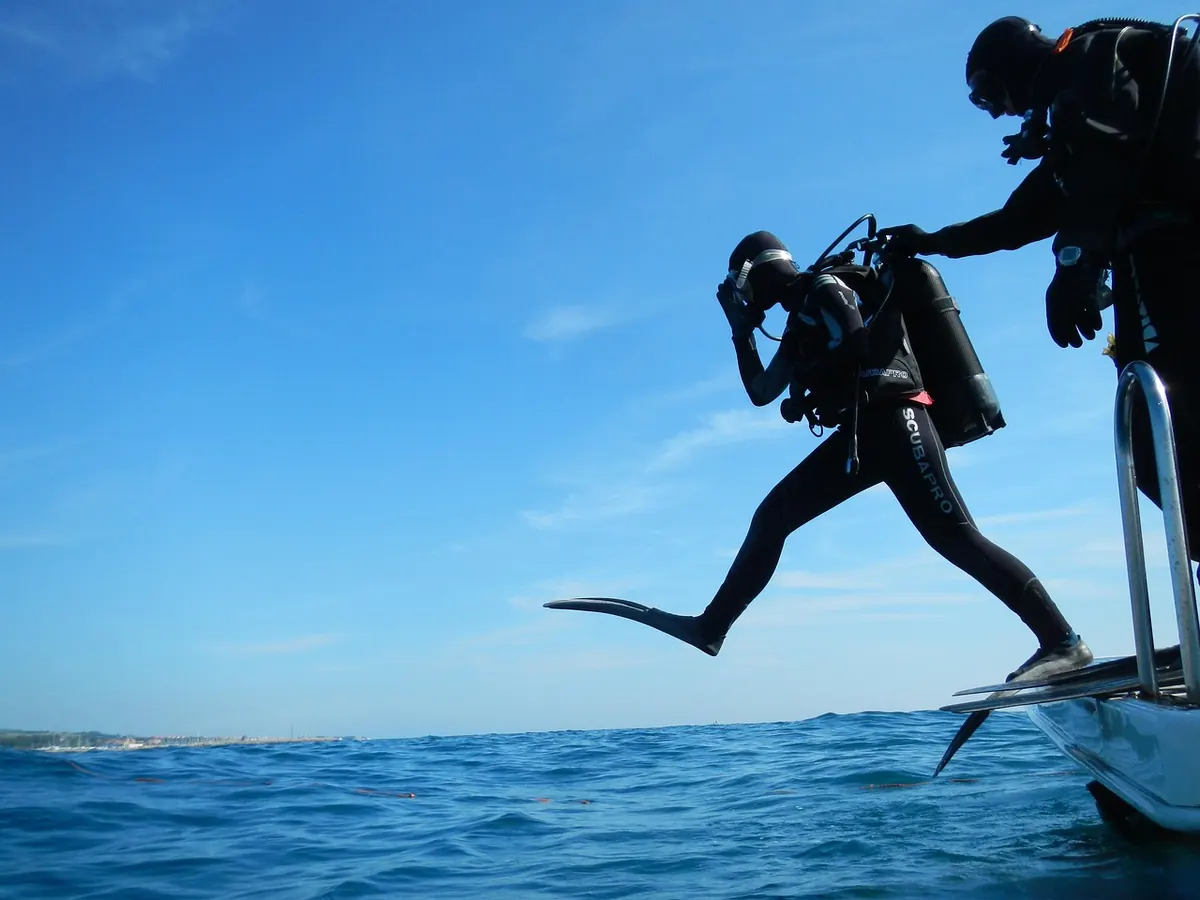
You can dive the same reef from two very different boats. One leaves the harbour at eight, gives you two dives and a plate of sandwiches, and has you back on dry land by five. The other is already moored over the reef when you wake up, and will still be there tomorrow. Which suits you depends less on budget than on how far offshore you want to go, how many dives you want to log, and how much you value a proper bed.
What each format actually delivers in a day
A day boat compresses diving into a working day. Two dives is typical, three if you're keen and the site is close. Briefings happen on the move, surface intervals are spent on a rolling deck or a nearby beach, and you're usually limited to sites within an hour or so of the marina — house reefs, fringing reef, a wreck or two.
A liveaboard turns that schedule upside down. Four or five dives a day is normal, including dusk and night dives, and you eat and sleep within a few hundred metres of the reef. The trade-off is committing several days, and often a whole week, to one boat and one region.
The day boat, at its best
- You dive where you're already staying. No travel day at either end.
- Failure is cheap. If wind stops play, you've lost a morning, not a week.
- Good for mixed groups: non-divers can meet you at the harbour, and nobody is stuck aboard for seven days.
- Excellent for building confidence after a break — short rides, easy exits, home comforts in the evening.
Where a liveaboard earns its keep
- Distance. Outer walls, seamounts and offshore atolls that no day boat will reach.
- Repetition, which reefs reward. Same site, different tide and light, and you start noticing things.
- Dawn and night dives, and diving when the day boats have gone home.
- Logistical ease once aboard: no repacking, no daily taxi, no hunting for dinner.
Cost: do the maths on the whole trip
Liveaboards look expensive next to a day trip, and they usually are — but the day boat ticket covers far less than people assume. A liveaboard typically bundles accommodation, all meals, tanks, weights, guiding, and sometimes transfers and nitrox. A day boat ticket usually covers two dives and a bottle of water.
Compare fairly by adding up everything for the same number of dives:
- Diving: boat fees, park or permit fees, nitrox, gear rental, tips.
- Beds: a hotel or guesthouse for each night, against a cabin included in the price.
- Food: three meals a day plus snacks ashore, against full board.
- Transport: the daily run to the marina, plus transfers to a remote harbour.
- Lost days: travel days, weather days, rest days. A liveaboard tends to fit more diving into the same week.
Then divide total cost by number of dives. That figure is often closer than the headline prices suggest. When it isn't — a short trip, a house reef on your doorstep — the day boat wins comfortably.
Comfort, sleep and stamina
A liveaboard cabin is a small cabin, and the sea doesn't stop moving because you're tired. Engine noise and generator hum are part of the deal, and sharing a bathroom is a real possibility on cheaper boats. On the other hand, you surface, hand over your tank and eat. Nobody has to drive anywhere.
Day-boat diving is harder work than it looks: early starts, kitting up on a moving deck, surface intervals in the sun. Land-based sleep in a quiet room is worth more than people give it credit for, especially on a five-day trip.
If you're prone to seasickness, be honest with yourself. A day boat heading out and back each morning means repeated exposure to the same rough water. A stable hull, or a boat that moors rather than crosses, may suit you better. If you have any concerns about fitness to dive, or you're returning after a long break, arrange a refresher and a check-up before committing — and bear in mind that medical help is further away from a liveaboard than from a harbour town.
Environmental footprint: more mixed than it looks
Neither option is automatically greener. A liveaboard runs engines and a generator around the clock and carries you far offshore, but it does so for a full group of divers, concentrated on a handful of sites. A day boat burns less fuel on a short run, yet a dozen of them may head for the same reef each morning.
The bigger variable is how a boat behaves once on site. Anchors and chain do lasting damage to coral. Fixed moorings are far better, and a no-anchor policy matters more than the hull type. Ask before you book:
- Does the boat use fixed moorings, and does it ever anchor on reef?
- Are holding tanks fitted, or does waste go over the side?
- Do they enforce a no-touch, no-gloves rule and brief properly on buoyancy?
- Do they pay park fees that fund local management, and do they employ local crew?
Choosing between them
Three questions usually settle it. How many dives do you want? How far offshore are the reefs you care about? And how well do you sleep at sea?
If you're diving for two or three days within a longer holiday, staying on land, or travelling with non-divers, take day boats. If your target reefs are remote, if you want a high dive count, or if logistics are the part of travel you like least, book a liveaboard.
A hybrid works well too: a liveaboard early on to reach the far sites, then relaxed day-boat diving from a shore base while you dry out. And if a liveaboard is a stretch on price, ask about shoulder-season dates, shorter itineraries and shared cabins — the diving is exactly the same.
Photo: FIRSTonline / Pixabay