Reef-Safe Sunscreen Checklist: What to Pack for a Coral-Friendly Holiday
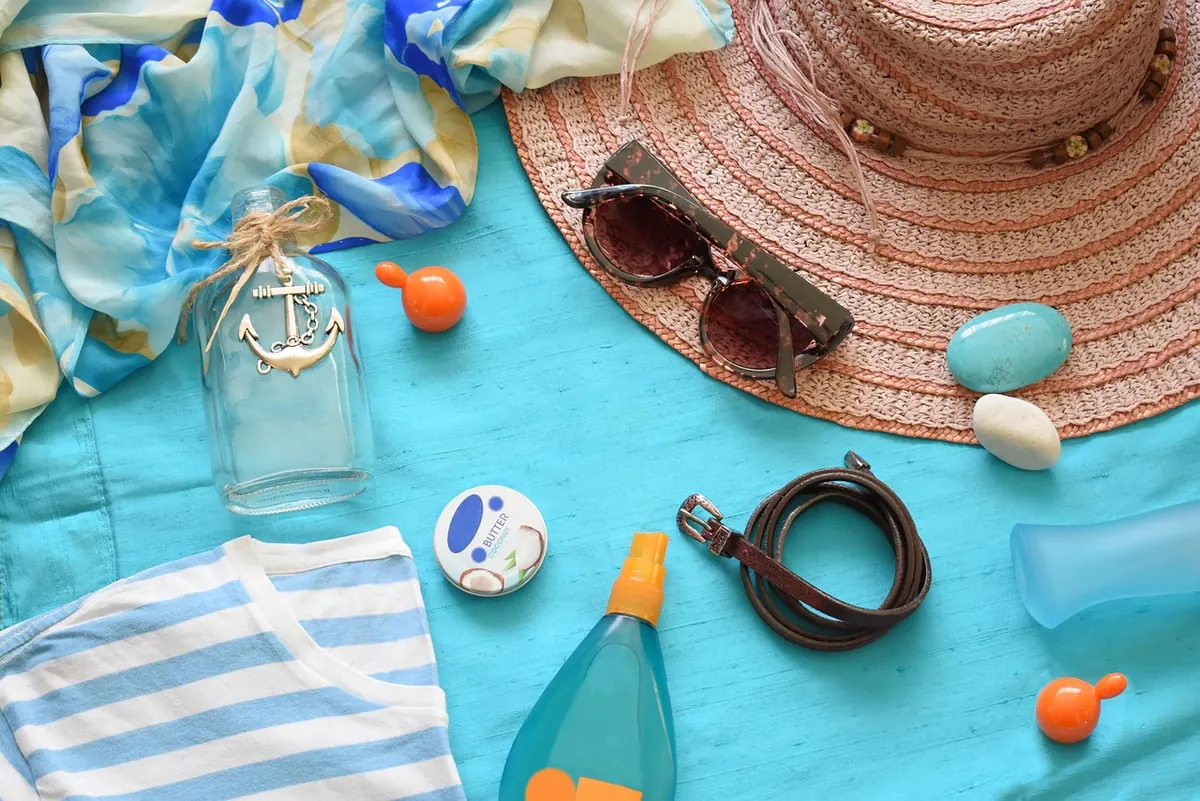
Packing for a reef holiday usually means a mask, a rash vest and too many pairs of swim shorts. The item you'll reach for most often, though, is sun cream — and the formula you choose matters in the water as much as on the beach. "Reef-safe" on the front of a bottle is not a regulated term in the UK, so the real decisions happen when you turn it over and read the ingredients list. This checklist covers what to avoid, what to look for, how to apply it so less washes off, and what to pack before you fly.
If you're heading somewhere like the Red Sea, Palau, Hawaii or a Caribbean marine park, you may already have seen local rules about sunscreen. Even where there's no ban, the principle is the same: the less that rinses off you, the better for the reef. The good news is that a few small changes to your packing list can make a real difference.
Why the bottle in your bag matters
Two things happen when you swim. Most of your sun cream stays on your skin, but some of it comes off — and on a busy reef, hundreds of swimmers adding to that over a season is worth thinking about. Several chemical filters used in conventional sun creams have been linked to coral stress, and some destinations have restricted their sale or use. Studies have found that ingredients like oxybenzone can contribute to coral bleaching and damage coral DNA, even at very low concentrations. Rules differ from place to place and change over time, so check the official guidance for your destination, particularly if you're visiting a marine park.
Packaging counts too. A large plastic bottle bought at the airport, used for a week and left behind is a small thing on its own — but it's the kind of small thing that adds up on islands with limited waste systems. Refillable bottles and solid or stick formats help.
Ingredients to avoid
Read the ingredient list — the INCI list — on the back of the tube, not the front. These are the filters and additives most often flagged by reef-concerned organisations:
- Oxybenzone (also listed as benzophenone-3)
- Octinoxate (ethylhexyl methoxycinnamate)
- Octocrylene
- Homosalate
- Octisalate (ethylhexyl salicylate)
- Avobenzone (butyl methoxydibenzoylmethane), also frequently flagged
- Parabens, such as methylparaben and butylparaben
- Triclosan
- Plastic microbeads, sometimes used as exfoliants
Why these names matter
They are chemical UV filters and preservatives that have been associated with harm to coral and other marine life in research, especially in shallow, heavily visited bays. Avoiding them is a sensible precaution, even though the science around any single ingredient is still developing. If you have sensitive skin, allergies or a skin condition, speak to a pharmacist before switching formulas — mineral sun creams can be thicker and harder to rub in, and some people react to preservatives in "natural" products too.
The concern isn't limited to coral. These chemicals can also affect fish, sea urchins and other reef inhabitants. That's why some marine parks ask visitors to use mineral sunscreens or to cover up with UV-protective clothing instead.
What to look for instead
The shortlist:
- Non-nano zinc oxide or non-nano titanium dioxide as the active filter
- Broad-spectrum protection, SPF 30 or higher
- Water resistance, so less comes off in the first few minutes
- A short, readable ingredient list where you recognise most of the words
- Refillable, recyclable or at least minimal packaging
Mineral — sometimes called physical — sun creams sit on the surface of the skin and reflect or scatter UV rather than absorbing it. They tend to suit sensitive skin and are the format most often recommended for reef areas. They can leave a white cast, particularly on darker skin tones, so try a tinted version before committing to a full-size bottle. "Non-nano" means the particles are large enough that they are less likely to be ingested by coral polyps, which is an important detail if you're comparing two mineral products.
Check the label, not the slogan
"Reef-friendly", "reef-safe" and "ocean-friendly" are marketing phrases. There is no single UK standard behind them, and a bottle can carry the words while still containing a filter on the avoid list. Look for third-party certification instead — Protect Land + Sea certification and the COSMOS standard for organic and natural cosmetics are two worth knowing — and then still read the ingredients. Formulations get tweaked, and two bottles sharing a logo can differ. If you're in doubt, take a photo of the back of the bottle and check it against a reputable reef-safe guide before you buy.
Application tips that cut what washes off
How you apply matters as much as what you buy. A thin smear that wears off in twenty minutes helps nobody.
- Apply 15 to 20 minutes before you get in the water, so it has time to settle.
- Use enough. For an adult's full body that's roughly 30ml — about six teaspoons. Most people use far less.
- Don't miss the ears, hairline, neck, tops of feet and the backs of your hands.
- Reapply every two hours, and after every swim or heavy towelling, even with a water-resistant formula.
- Use a stick or balm for your face. It's easier to control around the eyes and less likely to sting.
- Wear a rash vest, hat and sunglasses. Covering up is the most reliable way to reduce how much sunscreen you need.
- Wait for sunscreen to dry before swimming, and avoid spraying sunscreen into the air on the beach — wind carries it onto the sand and into the water.
What to pack before you fly
Don't leave your sunscreen decision to the airport shop. A little planning means you arrive with a formula you're happy with and less waste to deal with at the other end.
- A reef-safe sunscreen you've already patch-tested at home.
- A refillable bottle or solid stick to top up during the day.
- A rash vest or long-sleeved swim top for longer snorkels.
- A wide-brimmed hat and UV sunglasses.
- A small tin or pouch to carry your sunscreen to the beach.
- An unscented after-sun lotion, ideally in a refillable container.
- A reusable water bottle to stay hydrated.
- Check airline rules for liquids: solid sunscreens and sticks don't count towards your liquid allowance, which is handy for hand luggage.
Reef-safe sunscreen for kids and sensitive skin
Children and people with sensitive skin often need a gentler approach. Mineral formulas are a good starting point, but a few extra habits make a difference.
- Choose fragrance-free and paraben-free products where possible.
- Patch test on the inner arm 24 hours before your trip.
- Use a stick for faces — it's less messy and easier to apply around the eyes.
- Put kids in a long-sleeved rash vest and swim leggings to reduce the surface area you need to cover.
- Reapply more often than you would for adults, since children swim and towel off frequently.
- Avoid spray sunscreens for young children, as they can accidentally inhale the particles.
At the destination: rules, refills and waste
Once you're there, a little local awareness helps. Some destinations, including Hawaii, Palau and parts of the Caribbean, have restrictions on oxybenzone and octinoxate. Bonaire requires visitors to use reef-safe sunscreen, and some marine parks ask you to use only mineral formulas. Check the official guidance for your destination before you travel, and don't assume a product sold locally is automatically reef-safe.
Refill stations are becoming more common at eco-resorts and dive shops. If your accommodation offers one, use it. If not, take your empty bottle home with you rather than leaving it in an island bin. And remember that the best sunscreen is often the one you don't need: shade, timing and clothing all reduce your exposure before you even open a bottle.
If you wouldn't want it in your own aquarium, don't take it into the sea.
With the right bottle, a rash vest and a bit of planning, you can enjoy the reef without adding to the pressures it already faces. Read the back of the tube, apply properly, and pack light.
Photo: marijana1 / Pixabay